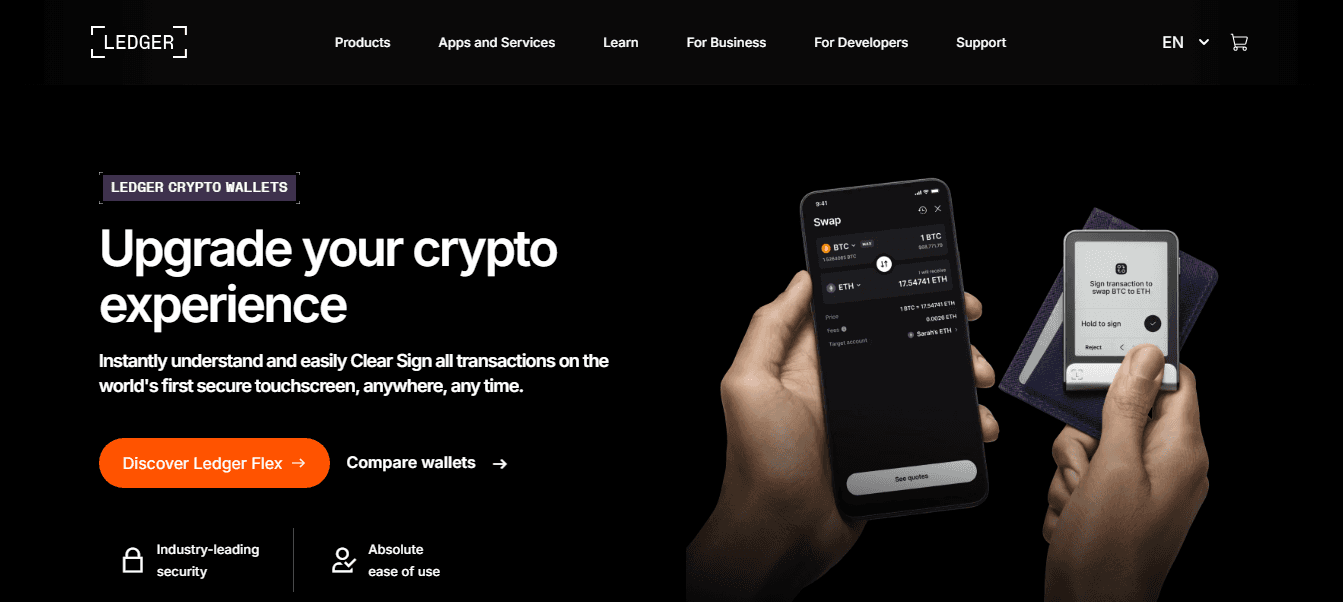
Ledger.com/start: Your Official Guide to Secure Crypto Onboarding
As cryptocurrency adoption grows globally, secure management of digital assets has become a top priority for both retail investors and institutional participants. Unlike traditional financial systems, digital assets require users to manage private keys responsibly, minimizing exposure to hacking and fraud. Ledger, a leading provider of hardware-based security solutions, addresses these challenges through its hardware wallets and companion software. The official portal, Ledger.com/start, serves as the primary gateway for users to securely set up and begin using their Ledger devices.
Ledger.com/start is designed to streamline the onboarding process, ensuring that all security protocols are followed, devices are initialized correctly, and users gain full control of their digital assets from day one.
What Is Ledger.com/start?
Ledger.com/start is the official onboarding platform for Ledger hardware wallets. It provides step-by-step guidance for new users to set up their device, install necessary software, and configure security features. By following the instructions on this portal, users can avoid phishing attacks and counterfeit software that are prevalent in the cryptocurrency ecosystem.
The portal facilitates:
Device initialization and PIN creation
Secure creation or recovery of wallets
Download of Ledger Live software for asset management
Guidance for managing recovery seeds
Instructions for installing cryptocurrency-specific applications
Ledger.com/start is compatible with all Ledger hardware models, including the Ledger Nano X and Ledger Nano S Plus, providing a consistent setup experience across devices.
Why Use Ledger Hardware Wallets?
Ledger hardware wallets are trusted worldwide for combining convenience with enterprise-level security. Unlike software wallets or exchange accounts, Ledger devices store private keys offline, protecting users from online attacks.
Key advantages of using Ledger devices include:
Full control over private keys, ensuring only the user can access funds
Protection against malware and hacking, thanks to offline key storage
Support for multiple cryptocurrencies, reducing the need for multiple wallets
Seamless integration with Ledger Live for managing assets, staking, and portfolio tracking
Industry recognition and trust, as Ledger is a leading provider of crypto security solutions
Using Ledger devices with Ledger.com/start allows both individuals and organizations to adopt best practices in digital asset custody.
Setting Up Your Ledger Device via Ledger.com/start
Ledger.com/start provides a structured workflow for device setup, designed to maximize security and usability.
Step 1: Access the Official Portal
Navigate to Ledger.com/start using a secure browser. Always verify the URL to avoid phishing attempts.
Step 2: Download Ledger Live
Ledger Live is the official software interface for Ledger devices. Available for Windows, macOS, Linux, Android, and iOS, it enables portfolio management, transactions, and access to advanced blockchain features while keeping private keys offline.
Step 3: Connect Your Ledger Device
Use the provided USB cable (or Bluetooth for Ledger Nano X) to connect your hardware wallet. Ledger Live will detect the device and provide on-screen guidance for initialization.
Step 4: Install Firmware
New devices require official firmware installation. Ledger.com/start ensures that firmware is downloaded and installed securely via Ledger Live.
Step 5: Create a New Wallet or Recover an Existing One
Users can either create a new wallet or recover an existing wallet using a 24-word recovery phrase. This recovery seed is critical and must be stored securely offline.
Step 6: Set a Secure PIN
Creating a strong PIN is essential to prevent unauthorized access. Ledger.com/start guides users through this process, emphasizing unpredictable sequences for enhanced security.
Step 7: Install Cryptocurrency Applications
Ledger supports numerous digital assets. Each cryptocurrency requires a dedicated app installed via Ledger Live to manage it securely.
Understanding the Recovery Seed
The recovery seed is a critical component of Ledger wallet security. It acts as a master key for accessing all assets stored on the device.
Best practices include:
Write the seed on the provided recovery sheet or a durable backup material
Never store it digitally, photograph it, or upload it to cloud services
Keep it in a private, secure location
Use it only to restore wallets on Ledger or compatible devices
Proper recovery seed management ensures access to funds in case the hardware wallet is lost, stolen, or damaged.
Security Best Practices
Ledger.com/start emphasizes the importance of secure usage. Recommended practices include:
Always verify website URLs and software sources
Never share the 24-word recovery seed
Confirm transactions directly on the hardware device
Use strong, unique PIN codes
Update firmware and apps exclusively through Ledger Live
Consider using a metal backup for recovery phrases to protect against environmental damage
These measures align with institutional standards for digital asset security and risk management.
Conclusion
Ledger.com/start is the official gateway for securely onboarding new Ledger users. By providing clear guidance for device initialization, firmware installation, Ledger Live integration, and recovery seed management, the portal ensures that users maintain full control and security over their digital assets.
Whether for individual investors, NFT collectors, DeFi participants, or institutional stakeholders, Ledger.com/start, in combination with Ledger hardware wallets and Ledger Live, provides a secure, reliable, and professional solution for managing cryptocurrencies. Following its instructions represents a best-in-class approach to safeguarding digital assets in today’s rapidly evolving crypto landscape.